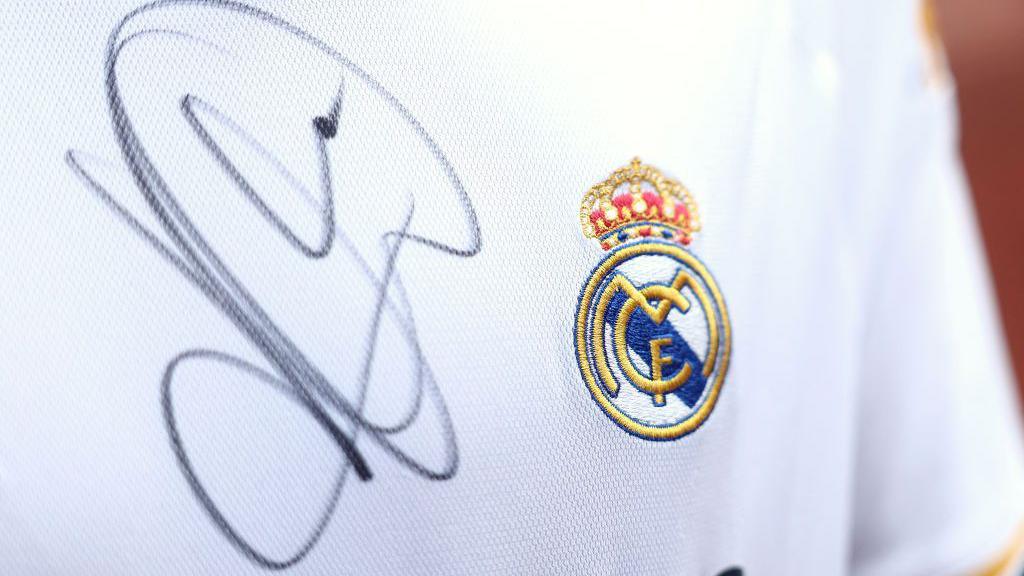
Outside the training ground. At the traffic lights. While filling up at a gas station. In a hotel lobby. Near their private residence.
The spots where footballers and coaches are approached for autographs can vary from the ordinary and acceptable to the intrusive and unacceptable.
Importantly, there exists a pair of different kinds of autograph seekers. There are the authentic supporters looking for a memento to cherish for a lifetime, but also professional vendors building up a stockpile of items to be sold online.
The individuals earning an income from sourcing autographs are often seasoned operators who approach athletes with organised packs of jerseys and photographs, aiming to secure as many signatures as possible in a few seconds.
But how do the footballers who are targeted think, and are some of these interactions crossing a line?
In What Ways Do Signature Seekers Interact With Celebrities?
When a top manager was recorded refusing to sign a shirt after a individual accosted his car recently, he defended himself against a counter-reaction by stating he felt "exposed" and claimed some "individuals are not doing it for the right reasons".
In another case, a celebrated manager furiously berated a group of hunters who approached him in a parking lot close to his residence, lambasting their career choice and stating, "Don't come again - This is my final warning. What do you aspire to?"
The athletic collectibles industry is believed to be worth billions of dollars globally each year, highlighting the significant income professional hunters can generate by consistently pursuing stars.
Clubs occasionally have to step in and safeguard athletes, including banning professional hunters from operating near practice facilities, providing security staff at nearby gas stations where seekers know players pause, and in some cases helping escort them home.
One well-known player was recorded instructing individuals to cease trailing him home after they had engaged in this on back-to-back days.
And earlier this month, a backline player was caught on video humorously scrawling unenthusiastic signatures on a stack of shirts handed to him by a hunter who came up to him at his car window.
"Players get really fed up with it," says a former Premier League winner.
"I've encountered it numerous times. They stand outside the TV studio and ask me autograph a dozen identical shirts all at once. I questioned it the other day and said 'you intend to flog these online, correct'?"
"It is incredibly irritating that the purpose is to profit out of athletes. It's up to the person to make a judgement call on the spot."
"If we say no, then the rejected individual will often insult the person who turned them down and call them out them on social media."
"It's out of order as authentic fans must get frustrated with these frauds who are doing it for the wrong reasons."
"These people spoil it for children and genuine fans."

How Do Athletes Think About Commercial Dealers?
Most sportspeople are happy to brighten a supporter's day by spending a brief instant with them and providing a signature.
But when frequent seekers show up, confrontations can happen, especially if their behaviour is deemed pushy.
"You encounter the individuals who are desperate for your signature but also want to have a short interaction with you and establish a personal link," says a ex-national team player. "That's all fine, but then you also get the ones that you see constantly."
"A portion of them are quite savvy with the way they operate - they have their children approach, or they arrive with friends."
"Instances have occurred when confrontations have taken place. I recall one where a guy tried having a go with me - he would hand you twenty of the identical item, and you would either not sign them all or your autograph would become less enthusiastic as it went on because you knew he was going to sell them on."
In certain cases players can sympathise with the reasoning while refusing to tolerate discourtesy.
"He would openly tell you he was going to sell them, but from his perspective that would cover the cost of his tickets," the former player adds. "Most fans are really respectful and appreciative. They are never disrespectful until they don't get what they desire."
Is a Portion of Genuine Fans Becoming Less Respectful?
During the rise of women's football, fans have traditionally had more direct interaction to players than in the men's top flight. For the most part, those encounters are friendly, safe, and courteous.
But some athletes believe interactions have become progressively less polite and disrespectful in the past few years.
One national team player disclosed she was asked to sign by some of the identical supporters who had earlier jeered her during a match.
"There does seem to have been a change in the recent period - there seems to be more of a sense of entitlement with some fans now," states a ex-professional athlete.
"Supporters having more access to players has been a key aspect of the uniqueness of the sport, and when I was competing we always aimed to be available for them," she explains.
"Nowadays, some individuals think because they've paid for a ticket they are entitled to the attention of the players around the game."
"No player wants to snub the fans, but there are times and places, and possible safety concerns need to be taken into account."
"There has to be reciprocal courtesy and it should be handled in a controlled, safe environment."
"It is essential to still have those moments so that young fans don't become disheartened and think 'the players I admire don't care about me'."
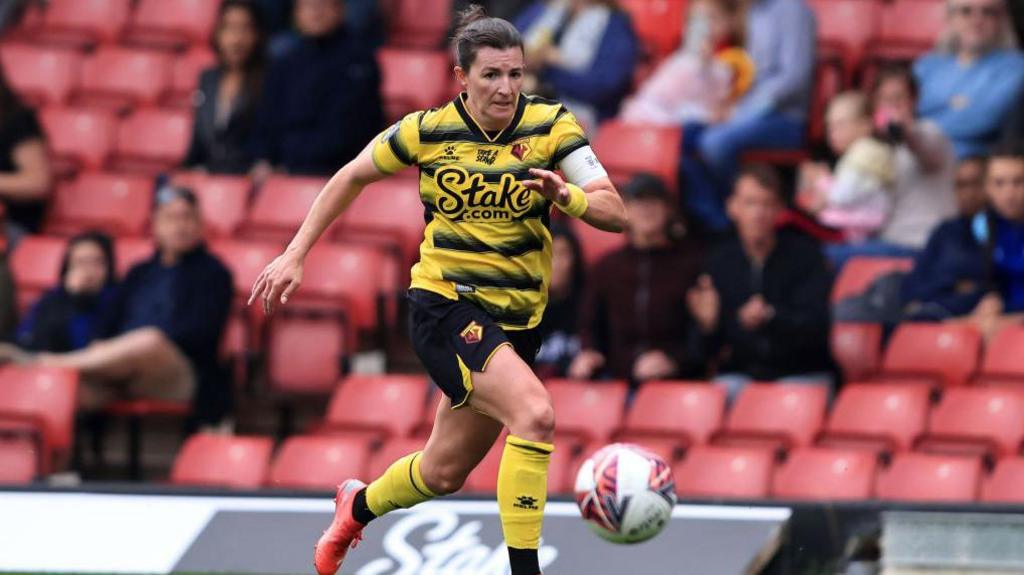
Fans Risk Buying Fakes Online
Products autographed by top names and then listed online by autograph hunters can fetch many thousands of dollars.
But not every piece of signed memorabilia purchased will prove to be legitimate.
In some cases, web shops are set up by scammers who forge items by buying merchandise before adding a fake signature - either by doing so themselves or employing the expertise of skilled signature forgers.
One factor dishonest sellers can succeed in their crimes is because signature authentication is an unregulated process in many countries. Most items come with a proof of genuineness, but that certificate is only as credible as the organization which issues it, and those organizations can be entirely unverified.
Several years ago, a individual was sentenced to prison after earning more than £1m from selling fake


